Something changed six nights ago.
Your pet already knows. Now it can say so.
Stelar is improving quality of life for your best friend.
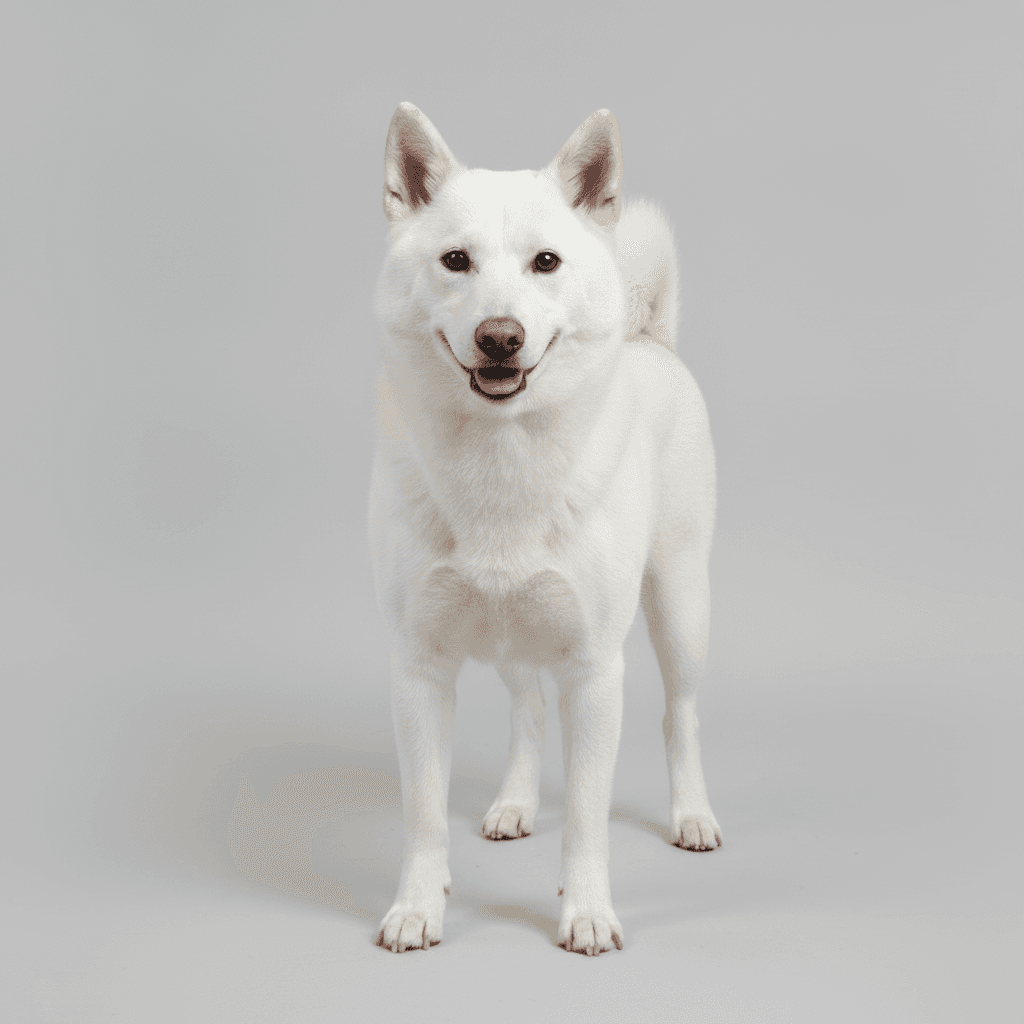
“I've been up four or five times a night.”
One pet, two bodies.
On screen it moves the way he moved today. In resin on your shelf, it lights up when something shifts.
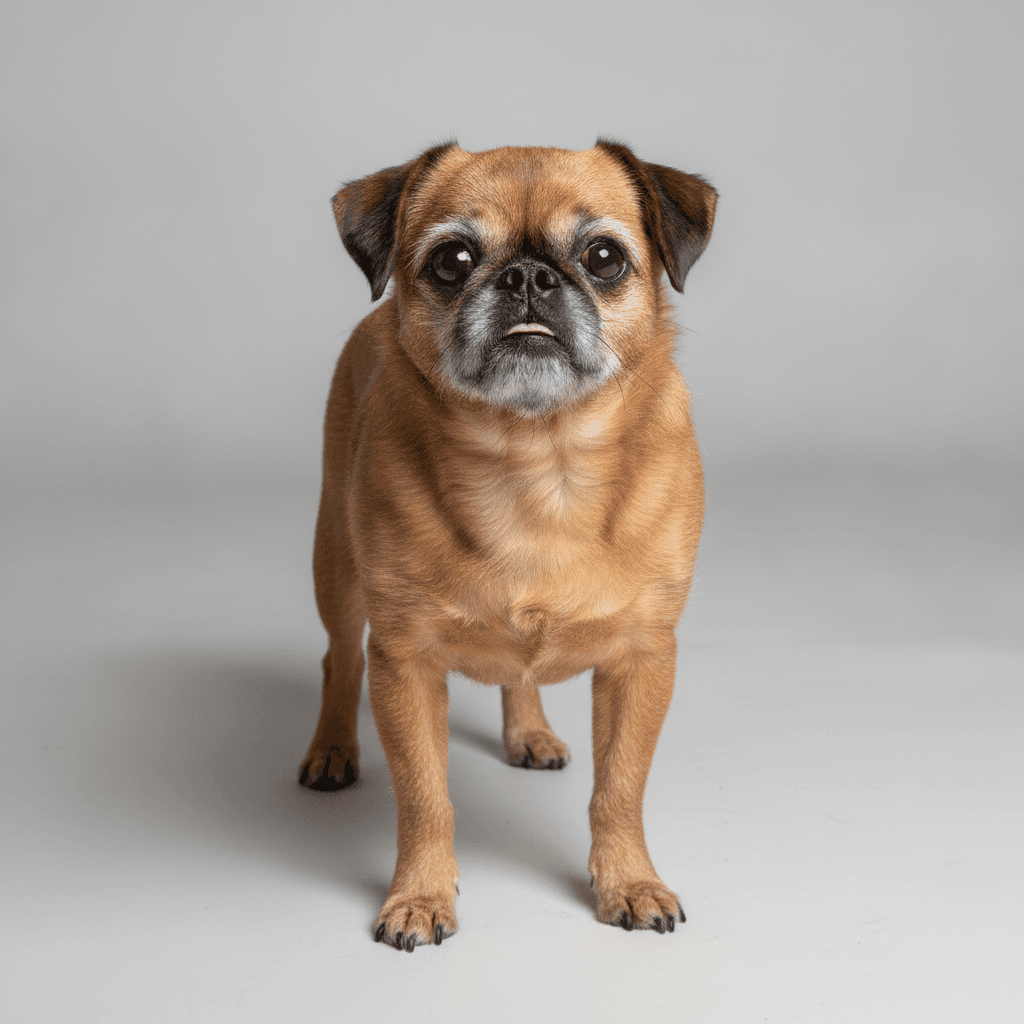
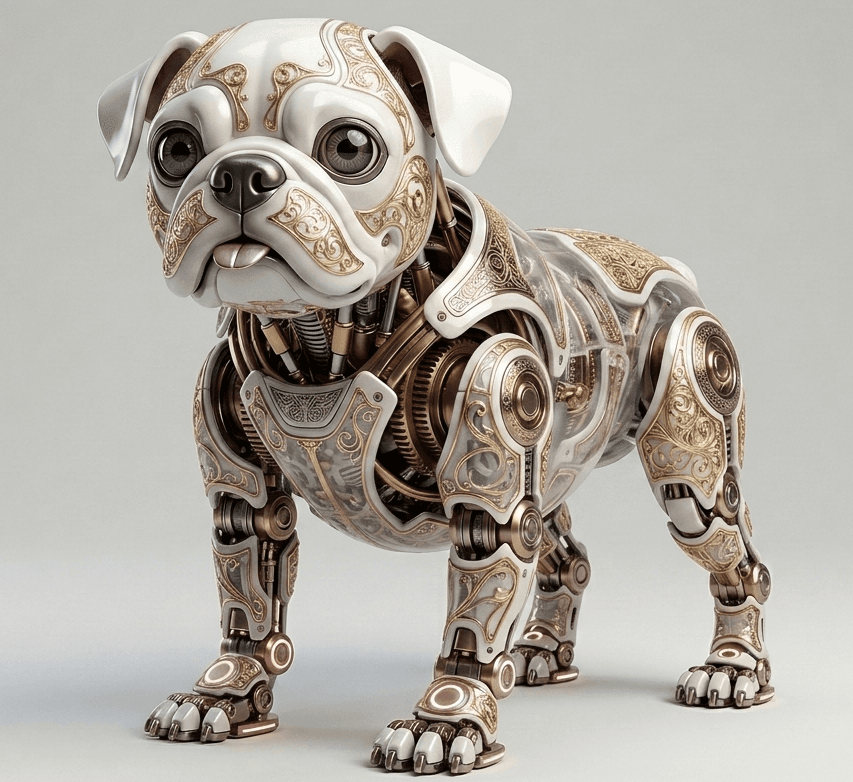
Rendition only
Four microphones place every sound in the room. No camera.
Fourteen days builds a baseline of your animal, not a breed.
The twin says what changed, and whether it’s worth a call.
He can prove who he is.
A nose print is a fingerprint that never needed an implant. Stelar fuses three biometric signals into one verifiable identity — no chip required, no chip excluded.


Fused match confidence. Two of three signals have to agree before Stelar calls it a match — one strong photo alone is never enough.
Optional, and additive. Pawprint ID runs alongside a microchip, never instead of one — until the world is ready to say otherwise.
When the GPS goes quiet, Stelar doesn't.
A collar can lose signal or run out of battery before he's found. Stelar keeps searching — rapid alerts, a live hotline, and an AI that redraws the map as tips come in.

Shelters
Every shelter in range gets his profile the moment he's reported missing — photo, Pawprint ID, last-seen point.
Daycares & vets
Places that already know his face are first to get the alert, not last.
Community leads
Verified local contacts — block captains, rescue volunteers — pushed into the search in real time.
Animal control
Notified automatically, with the same descriptors and last-known point everyone else gets.
Alerts, Amber Alert–style
Geotargeted push notifications reach phones nearby the moment he's reported missing — alongside direct pings to shelters, daycares, community leads, and animal control.
A hotline that feeds the map
Every tip called or texted in becomes a new point Stelar folds into the search — not a note in a drawer.
Smart parameters, not a pin
Time elapsed, realistic travel distance, and his descriptors continuously redraw the radius — no fixed GPS dot required.
It doesn't stop at the last ping.
When the trail goes cold, Stelar reasons forward from his last known point, expands the search radius as time passes, and doubles — even triples — back over ground already covered the moment a new tip puts him there.
Eight things it counts.
Boring alone. Read together, against his own history, they move first.
Spatial tech is the trick.
A microphone hears a bark. An array that knows where it came from, and how he crossed the room to get there, reads behaviour.
Beam-formed, not recorded
Sound becomes events on-device. Nothing leaves the house as audio.
Baselined per animal
An anxious terrier and a quiet greyhound are each judged on their own terms.
Vet-reviewed
Thresholds set with a clinical advisory group. Stelar reports change; it doesn't diagnose.
Questions we get.
Is it recording my home?
No. Sound becomes events — a bark at 2:14am, six metres away — and the audio is dropped. No camera, no stored waveform.
More than one pet?
Each animal gets its own voice signature and baseline during setup.
Does it replace the vet?
It replaces the guesswork you bring to the vet — six weeks of dated change instead of “he’s been off lately”.
Cats?
Dogs first. Cats are in testing — quieter animals need longer baselines.